Introduction
In the modern quest for sustainability, wood stoves are changing. They are going from old relics to top environmental solutions. Modern Wood stoves create sustainable heating and are eco friendly. This article delves into the science. It also covers the environmental perks of using sustainable wood stoves. It shows how these devices have changed to meet modern ecological standards.
Emission Reduction

Carbon Neutrality
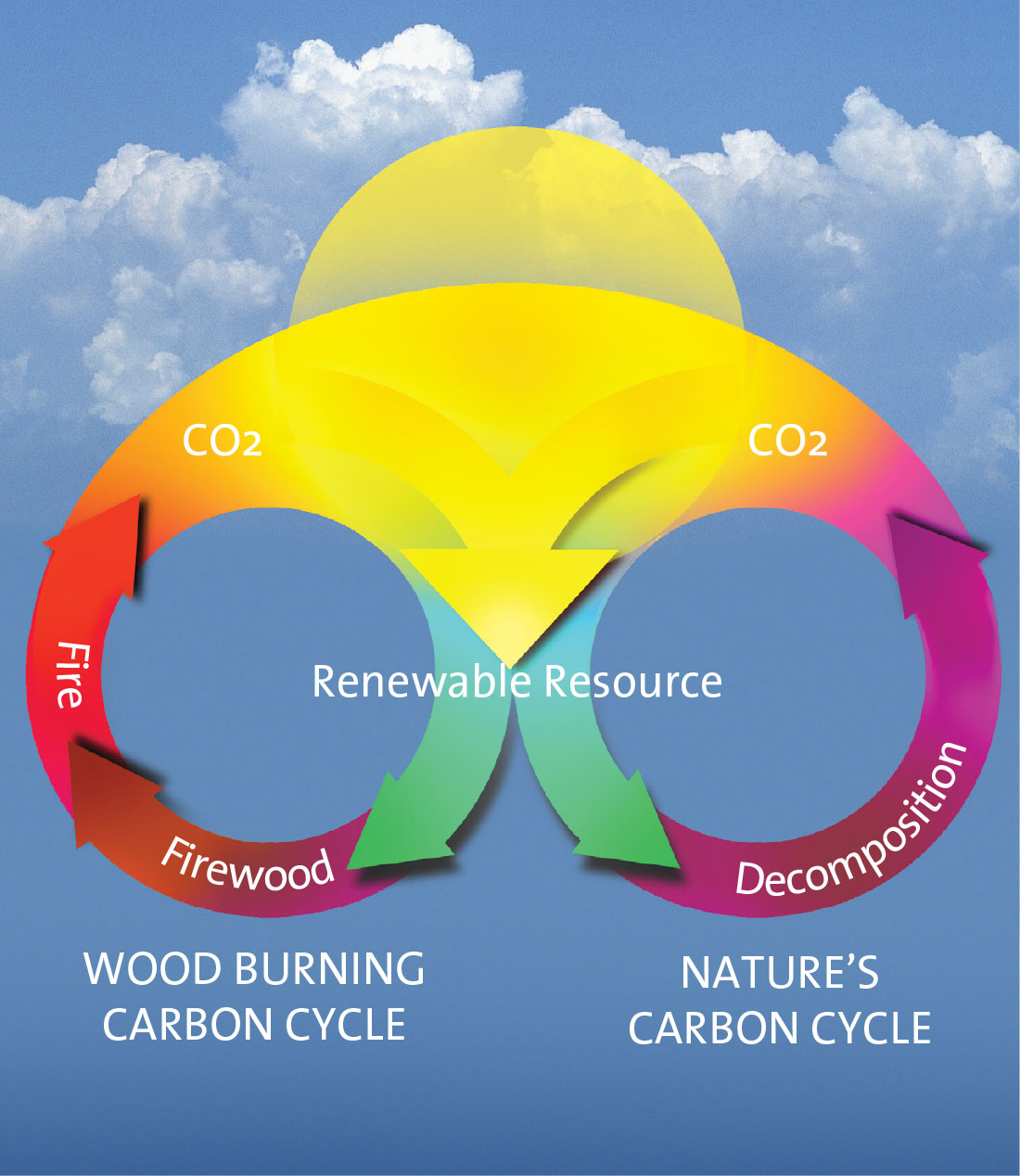
A pivotal aspect of sustainable heating with wood stoves is their carbon neutrality. Trees absorb carbon. Whether they decompose or get burned, trees eventually release their absorbed carbon. This makes wood a carbon-neutral fuel. The UK’s Biomass Energy Centre supports this. It notes the carbon-neutral potential of well-managed wood-burning.
Sustainable Fuel Source

Reducing Fossil Fuel Dependence
Efficiency in Energy Production
Air Quality Considerations
Sustainable heating with wood stoves is good for the environment. But, we must acknowledge their potential impact on air quality. Adhering to EPA guidelines can help. For example, burn current, modern stoves, use dry, seasoned wood and do regular stove maintenance. These steps can reduce these concerns. Education on the best wood burning practices is crucial. It is key to preserving air quality.
Conclusion
Heating with wood stoves is sustainable. It shows the synergy of old and new in the environment. Wood stoves can help eco-conscious people, who seek sustainable heating. Wood stoves do this through emission cuts, carbon neutrality, and energy efficiency. We must embrace renewable energy sources. Which include wood stoves. They are part of our journey toward a sustainable future. This is pivotal as we face the challenges of climate change.
References
[1] United States Environmental Protection Agency. (2014). Residential Wood Heaters. https://www.epa.gov/residential-wood-heaters
[2] Biomass Energy Centre. (n.d.). Wood as fuel – A guide to choosing and drying logs. http://www.biomassenergycentre.org.uk/
[3] Food and Agriculture Organization of the United Nations. (2014). The State of the World’s Forests. http://www.fao.org/3/a-i3710e.pdf
[4] United States Environmental Protection Agency. (2019). Burn Wise. https://www.epa.gov/burnwise